The event, held at the University's Dekwaneh Campus, marked an important milestone in the development of its recently established Climate Diplomacy and Sustainable Peace (CDSP) Hub, founded and directed by Professor Fadi Georges Comair, Senior Executive Advisor to the President for Strategic Sustainability and Global Development.
The establishment of the CDSP Hub reflects the strategic vision of the President of the University of Balamand, Professor Elias L. Warrak, to position the University as a leading regional center for scientific cooperation, climate diplomacy and sustainable development, connecting Lebanon with the wider Middle East, the Mediterranean and Europe.
Under the leadership of Professor Comair, a distinguished authority in hydrodiplomacy and regional water cooperation, the Hub is developing an ambitious programme of scientific dialogue, international partnerships, education and capacity building. Its aim is to translate scientific knowledge into cooperative approaches to shared regional challenges, reinforcing the University's role as a center for science diplomacy and sustainable peace.
In his address, Professor Elias L. Warrak, President of the University of Balamand, emphasized the importance of trust as the foundation of meaningful cooperation: “Trust is the foundation of cooperation, and sustained cooperation paves the way for peace. Universities have a vital role to play as trusted and neutral institutions, capable of bringing people together, fostering dialogue, and encouraging collective action. Guided by this vision, the University of Balamand established the Climate Diplomacy and Sustainable Peace (CDSP) Hub to bridge climate science and diplomacy, address the challenges facing our region, and contribute to water and food security, regional stability, and sustainable peace.”
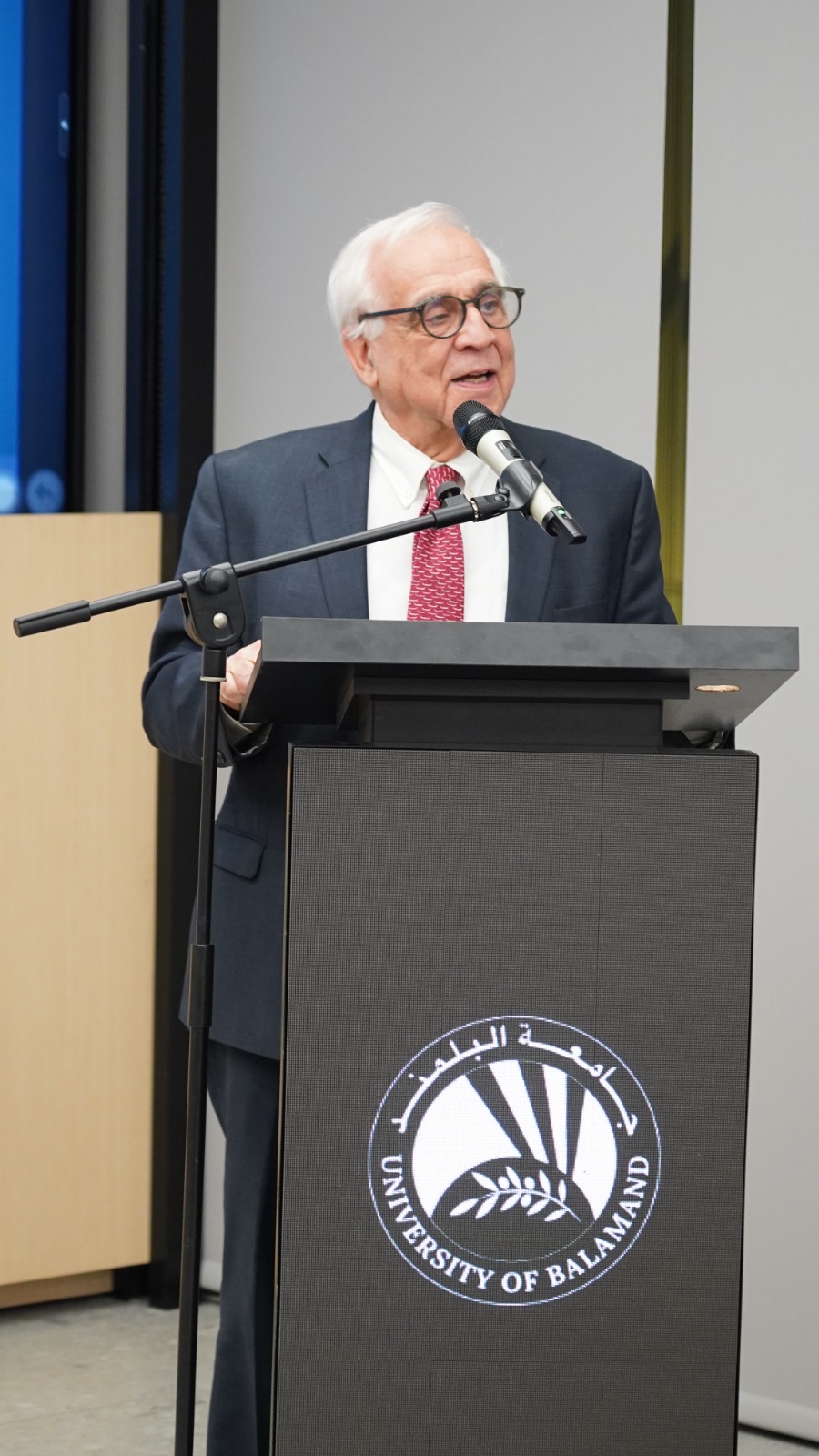
The inaugural lecture, entitled “Science Diplomacy in the Age of Climate Crisis and Artificial Intelligence: Challenges and Opportunities for the EMME Region,” examined how the accelerating climate crisis and the emergence of powerful new technologies are transforming the role of science in international relations.
Professor Papanicolas emphasized the growing importance of transnational regional cooperation in addressing challenges that transcend national boundaries and exceed the capabilities of conventional governance frameworks. Drawing on the experience of the Eastern Mediterranean and Middle East Climate Change Initiative (EMME-CCI), he illustrated how scientific cooperation, advanced research infrastructures, satellite observations and artificial intelligence can help establish a shared understanding of regional risks and provide the foundations for coordinated action.
Particular emphasis was placed on the opportunities for Lebanon to serve as a scientific bridge between Europe and the Middle East, drawing on its academic institutions, highly educated workforce, multicultural traditions and extensive international diaspora. Professor Papanicolas highlighted the Regional Scientific Alliance for Climate Change, led by The Cyprus Institute and co-led by the University of Balamand, as a concrete instrument for advancing this vision through joint research, education, capacity building and regional projects. The CDSP Hub, under Professor Comair's direction, is expected to play an important role in developing and coordinating Balamand's contribution to this cooperation.
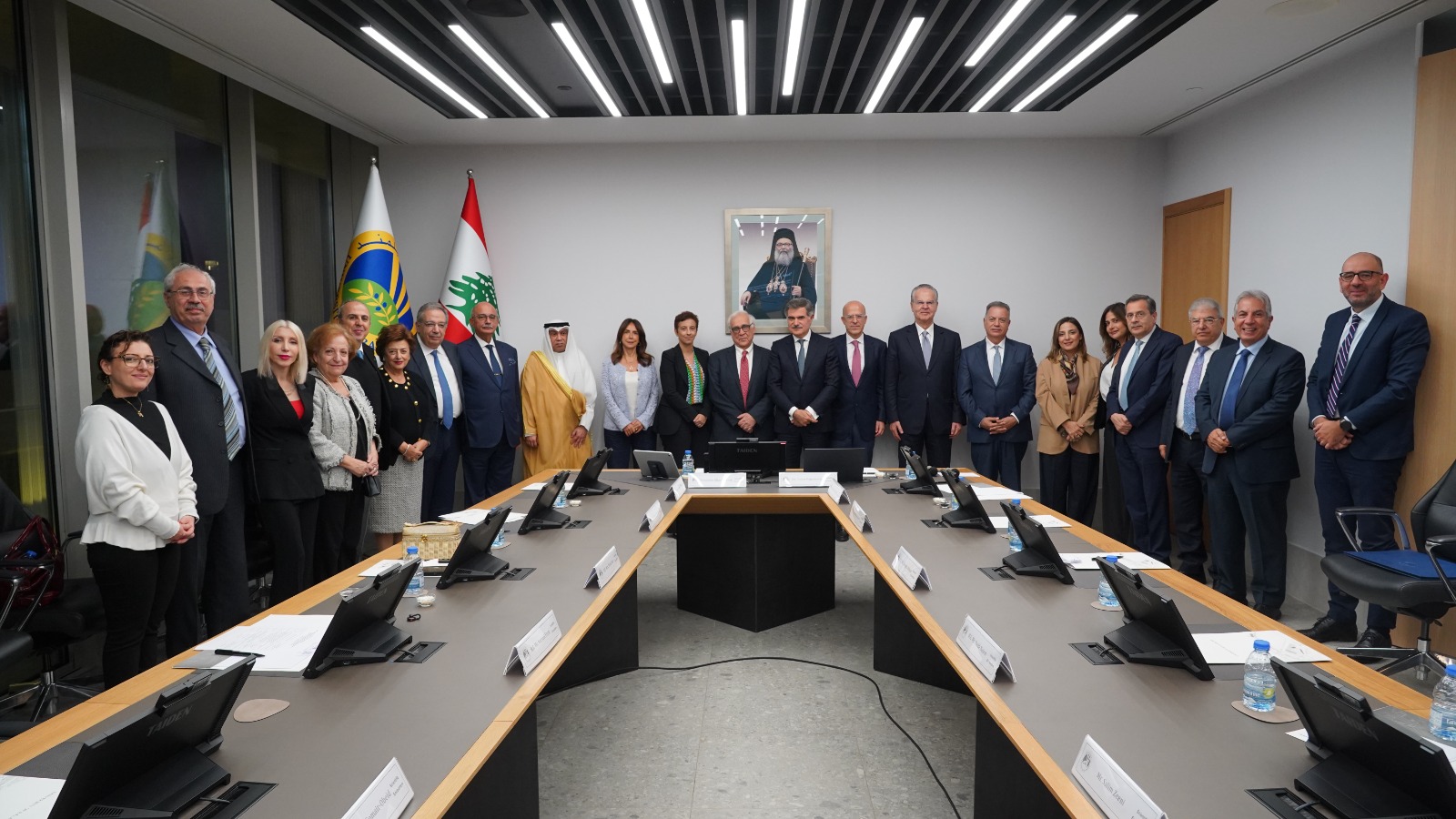
The event brought together an exceptionally distinguished audience of diplomatic representatives, government ministers, parliamentarians, members of the University's Board of Trustees, university leadership and representatives of the scientific and academic communities.
Among those attending were H.E. Ms. Maria Hadjitheodosiou, Ambassador of Cyprus to Lebanon; H.E. Mr. Mohammad Sultan Al-Sharji, Ambassador of Kuwait to Lebanon; Ministers H.E. Mr. Joe Issa El Khoury and H.E. Dr. Fadi Makki; Members of Parliament H.E. Mr. Neemat Frem and H.E. Mr. Georges Adwan; and former Deputy Prime Minister and Minister of Defence H.E. Ms. Zeina Akar. Members of the University's Board of Trustees and senior academic leadership were also present.
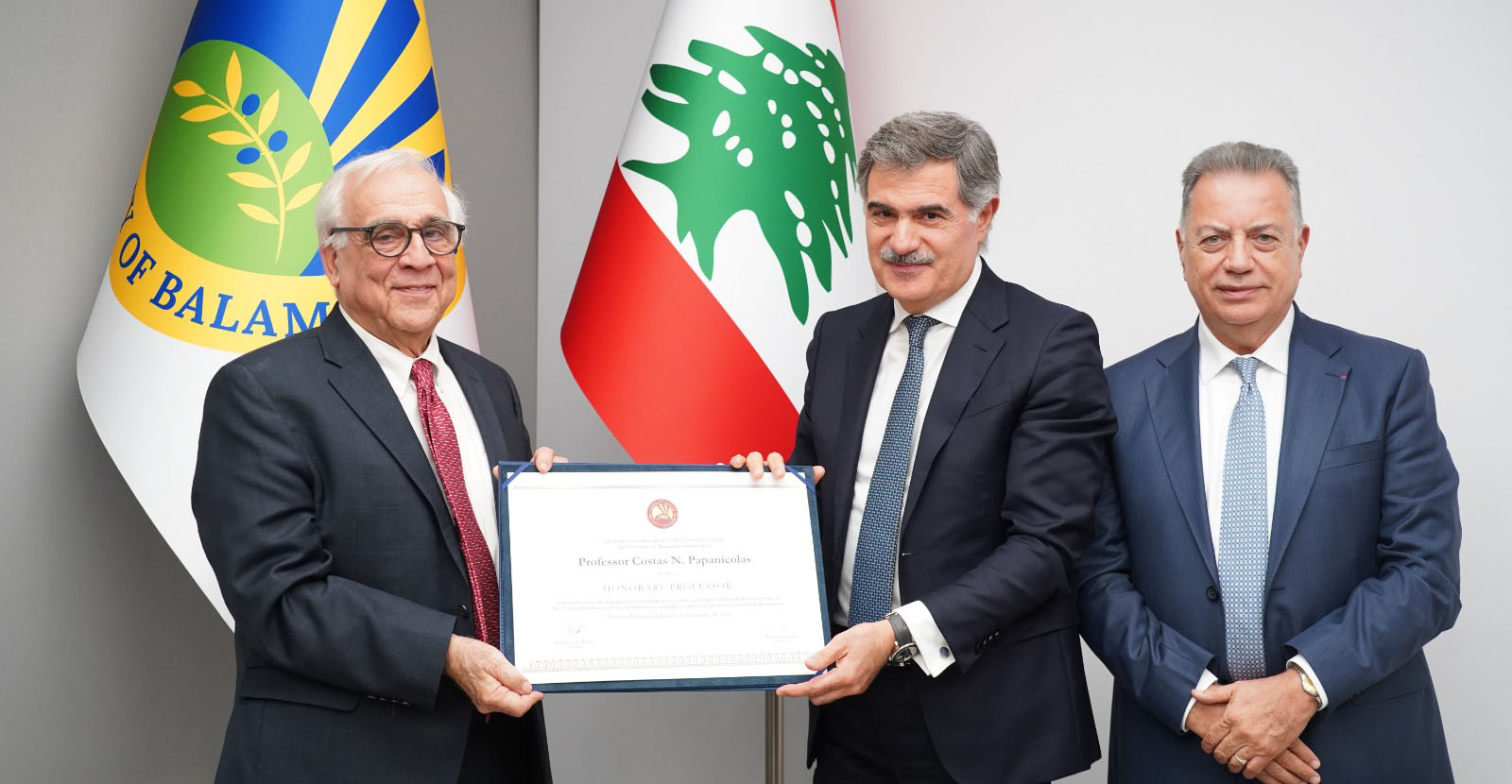
In a particularly significant moment, the University of Balamand conferred upon Professor Papanicolas the title of Honorary Professor, making him the first scholar to receive this prestigious academic distinction in the University's history. The honour recognizes his distinguished scientific career, his contributions to research and higher education, and his leadership in promoting international scientific cooperation and science diplomacy.
The inauguration of the Scientific Encounters series represents an important step in the programme being developed by Professor Comair and his colleagues at the CDSP Hub. Building on the University's institutional commitment and its growing international scientific partnerships, the Hub seeks to establish sustained cooperation among academic institutions, governments and international organizations, with particular emphasis on climate resilience, water security, sustainable energy and regional capacity building.
Through this initiative, the University of Balamand reaffirms its commitment to scientific excellence and its ambition to serve as a regional platform where science, diplomacy and education contribute to cooperation, sustainable development and peace.